The Role of Local Cuisine in Cultural Immersion
When traveling, many people find that local cuisine offers a unique gateway into the culture of their destination. Engaging with food goes beyond mere taste; it can foster genuine connections and provide insights into local traditions.
Understanding the Basics
Local cuisine is often intertwined with a region's history, geography, and social customs. According to studies, food not only nourishes our bodies but also our understanding of cultural identities. For instance, research indicates that meals often reflect the agricultural practices of a region, showcasing seasonal ingredients and traditional cooking methods.
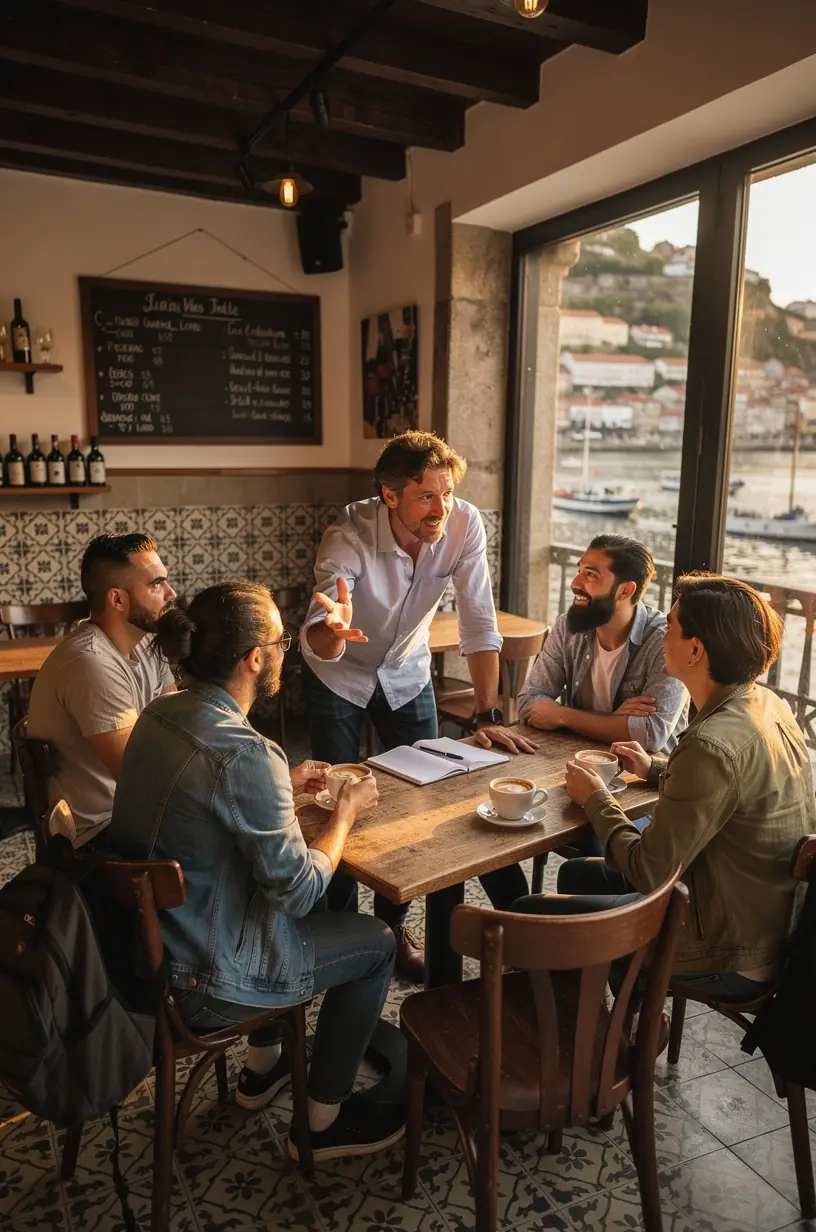
"Food is a universal language, and through it, we learn about the lives, struggles, and joys of others." - Culinary Anthropologist
Exploring Cultural Significance Through Food
Many travelers report that participating in local food customs enhances their experience. Here are several ways local cuisine plays a crucial role in cultural immersion:
- Participating in Meals: Sharing a meal with locals, whether at a family home or a community feast, can help travelers develop authentic relationships. Such interactions often involve storytelling, allowing visitors to gain deeper insights into local life.
- Understanding Food Traditions: Learning about traditional dishes and their significance, such as how certain foods are prepared for festivals, offers a glimpse into cultural values and history. Experts suggest that engaging with food traditions can provide context that enhances the travel experience.
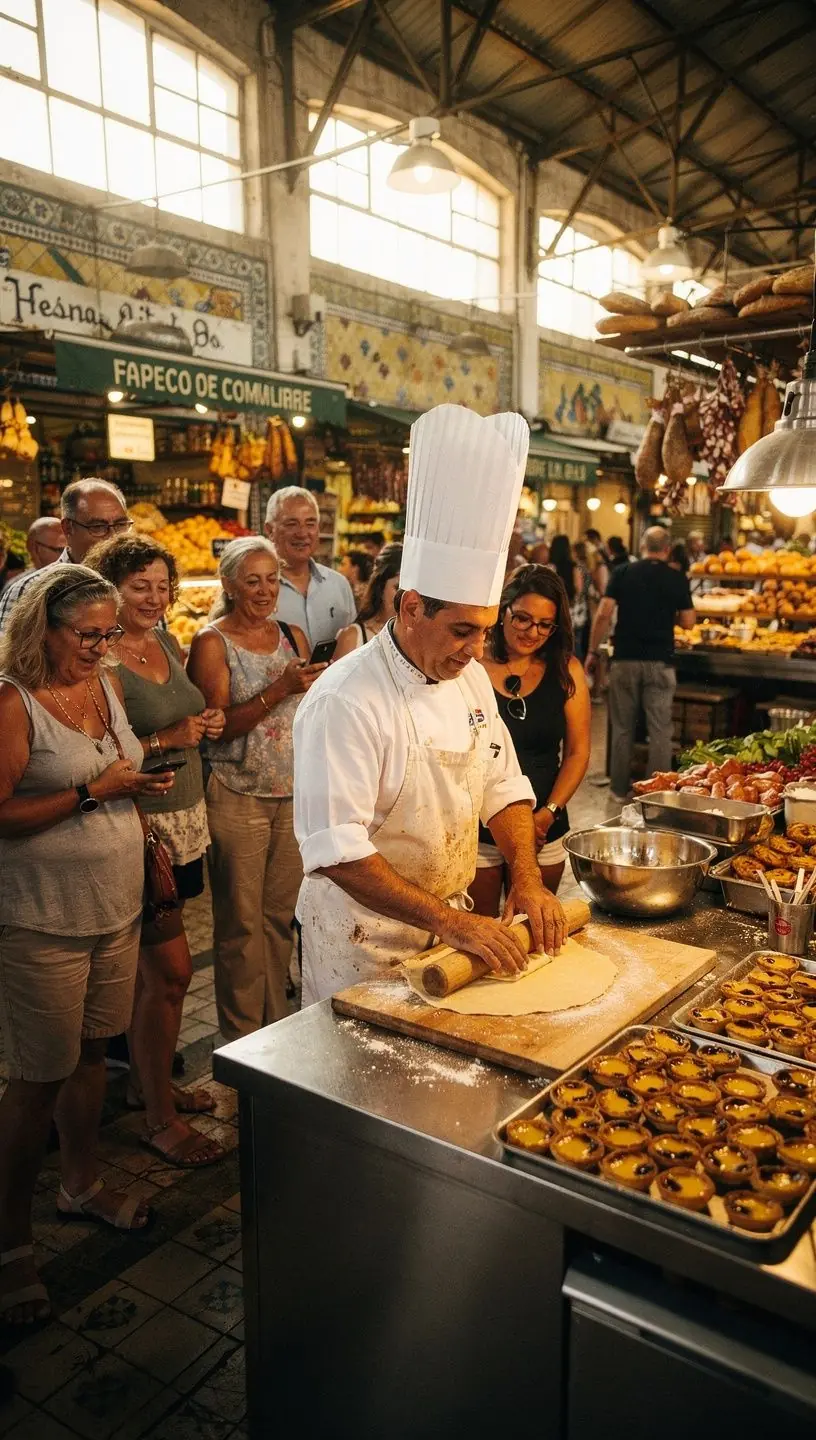
- Cooking Classes: Taking part in local cooking classes can be an effective way to immerse oneself in a culture. These classes not only teach culinary skills but also emphasize the stories and techniques behind every dish, which can vary widely even within small geographic areas.
Practical Application for Nordiquest Travelers
For those pursuing a Nordiquest approach, which emphasizes meaningful experiences over quick sightseeing, here are some practical insights:
- Research Local Cuisine: Before your trip, spend some time exploring the local food culture. Look for traditional dishes and regional specialties to seek out.
- Seek Out Local Markets: Visiting local markets can provide a sensory experience that connects you to the place you’re visiting. Many users report that this is where they discover new ingredients and cooking methods.
- Engage with Locals: Don’t hesitate to strike up conversations with local chefs and restaurateurs. Engaging with those who prepare food can lead to profound insights about the culture.
Acknowledging Limitations
While immersing oneself in local cuisine can enhance cultural understanding, it’s important to recognize that not every experience will resonate equally. Some travelers may find certain flavors unfamiliar or challenging. It's beneficial to approach new cuisines with an open mind, but also to be aware that personal preferences vary, and not every dish will appeal to all.
Conclusion
In conclusion, local cuisine plays a vital role in cultural immersion and can significantly enrich travel experiences. By understanding the historical and cultural contexts of the food, engaging with locals, and being open to new experiences, travelers can gain a deeper appreciation for the places they visit. Ultimately, the journey through a region's culinary landscape can lead to lasting memories and connections that extend beyond the plate.